Review: Sleep Lab Crew Western Png Sublimation
As a designer who spends more time than I care to admit staring at stitch density charts and arguing with thread spools, I approach every new graphic asset with a healthy dose of skepticism. The market is flooded with clip art that looks great on a screen but falls apart under the needle. That is why I take the time to evaluate designs like Sleep Lab Crew Western Png Sublimation not just as a digital file, but as a potential component of a tangible, sellable product.
I recently had the opportunity to review this specific graphic for a small batch of custom merchandise intended for a boutique client specializing in rustic, western-themed home goods. My goal was to determine if this design could transition smoothly from a digital preview to a high-quality finished product, specifically focusing on its viability for sublimation and embroidery applications. Here is my honest assessment based on real-world application.
First Impressions and Visual Personality
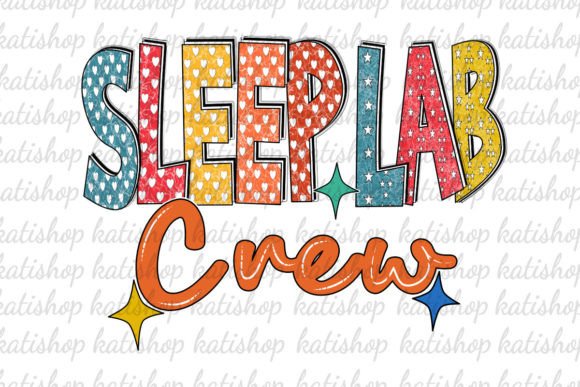
When you first load Sleep Lab Crew Western Png Sublimation, the immediate takeaway is its distinct thematic clarity. It doesn’t try to be everything to everyone. Instead, it leans heavily into a specific aesthetic: rugged, relaxed, and distinctly western. The typography feels bold and confident, suggesting a "sleep lab" concept reimagined through a cowboy or frontier lens. This kind of niche specificity is gold for craft business owners because it allows for targeted marketing. You aren't just selling a shirt; you are selling a lifestyle identity.
The visual weight of the design is balanced well enough to work across various mediums. In the context of Graphics and Crafts, this file serves as a strong foundation for custom apparel and personalized gifts. The layout is clean, which is crucial when you are planning to digitize it or use it for sublimation transfers. There is no visual clutter that would compete with fabric textures or stitching details. For an Etsy seller or small shop product creator, this level of clarity reduces the cognitive load on the customer, making the item instantly recognizable and appealing.
Real-World Application: The Tote Bag Scenario
To truly test a design’s worth, I put it through a practical scenario. Imagine preparing a set of canvas tote bags for a holiday gift guide. The client wanted something that felt handmade but professional. I selected Sleep Lab Crew Western Png Sublimation for this project. Because the file is provided as a high-resolution PNG (300 DPI), the edges remain crisp, which is essential whether you are printing directly onto fabric via sublimation or using the image as a guide for creating an embroidery file.
For a tote bag design, the placement matters. The western theme pairs beautifully with natural fibers like heavy cotton or denim. When I simulated the look on a dark canvas bag, the contrast popped without overwhelming the material. However, I also considered how this would translate to actual machine embroidery. If we were to convert this graphic into a machine embroidery design, the bold lines would likely translate well into satin stitches, while any internal details might require fill stitch work. The key here is that the original graphic provides a clear roadmap for the digitizer. It doesn’t have ambiguous gradients that confuse software; it has defined shapes.
Performance in Embroidery and Sublimation Contexts
While the product description notes this is primarily for sublimation products like t-shirts, mugs, and pillows, many designers wonder about its cross-over potential. Can it work as an applique design or a standard embroidery project? Yes, but with caveats.
In terms of stitch density, a graphic like this needs careful handling. If the western elements include intricate line work, converting it to a dense area of stitching can make the fabric stiff and bulky. For a sweatshirt embroidery project, this bulk might be desirable for a tactile feel, but for a baby embroidery item, it could be uncomfortable. Therefore, I recommend simplifying the design during the digitization process. Use running stitch for fine details and reserve the satin stitch for the main outlines. This ensures the finished product remains soft and wearable.
For sublimation, the 300 DPI resolution is adequate for most garment sizes. However, always remember that sublimation ink interacts differently with fabrics compared to thread. On polyester blends, the colors will appear vibrant and permanent. On cotton, you may need a coating treatment. The Sleep Lab Crew Western Png Sublimation graphic holds up well in both scenarios because its color palette appears designed for high visibility. It avoids muddy tones that often result in poor print quality.
Where Caution Is Required
No design is universally perfect, and Sleep Lab Crew Western Png Sublimation is no exception. There are specific situations where this graphic might struggle:
- Small Hoop Sizes: If you attempt to stitch this design too small, the western details may merge into an unreadable blob. Always check the minimum recommended hoop size before committing to production.
- Textured Fabrics: While it works well on smooth canvases, applying this to highly textured fabrics like chunky knits can obscure the design. The irregular surface interferes with both printing and stitching precision.
- Curved Surfaces: Applying this to caps or hats requires careful distortion management. The straight lines of the text might warp unnaturally if not accounted for in the pre-production phase.
- Dense Stitch Areas: As mentioned, avoid over-stitching. High stitch density can lead to puckering, especially on thin fabrics like jersey or lightweight tees.
Additionally, consider the fabric texture and thread colors carefully. A light-colored thread on a dark background might require a backing stabilizer to prevent show-through, which can affect the final drape of the garment. Always test your chosen combination on scrap fabric first.
Practical Designer Notes for Success
If you decide to incorporate Sleep Lab Crew Western Png Sublimation into your workflow, here are some actionable tips to ensure professional results:
- Test Before You Invest: Never run a full production batch without a sample. Print the PNG on the actual fabric you plan to use, or stitch a small section to check for alignment and color accuracy.
- Check Licensing: Although the file includes watermarks that are removed upon purchase, you must verify the commercial usage rights. Ensure you are allowed to sell commercial embroidery items made from this design. Many digital assets have restrictions on reselling the file itself versus selling physical goods made from it.
- Use Proper Stabilizer: Depending on the fabric, a cut-away stabilizer is often best for durability, especially for items that will undergo frequent washing, such as kitchen towels or aprons.
- Mockup Validation: Create a printable mockup to see how the design looks in a real-life setting. Does it fit the brand aesthetic? Does it look balanced on the chest, back, or sleeve?
- Inspect Small Details: Zoom in on the digital file. Are there tiny specks or artifacts that won’t reproduce well in thread or ink? Clean up the vector or raster data if necessary before finalizing your design assets.
Final Verdict
Sleep Lab Crew Western Png Sublimation is a solid, versatile asset for designers looking to tap into the western/rustic market. It offers strong visual appeal and sufficient resolution for both sublimation and embroidery workflows. Its success, however, depends entirely on execution. By paying attention to stitch density, fabric choice, and licensing, you can transform this simple PNG into a high-value handmade product that resonates with customers.
For the creative entrepreneur or maker willing to put in the prep work, this design offers a reliable path to creating cohesive, branded merchandise. It isn’t just a graphic; it’s a starting point for building a recognizable style in your shop. Just remember: the magic happens in the details, so treat your testing phase with the same seriousness as your final production run.