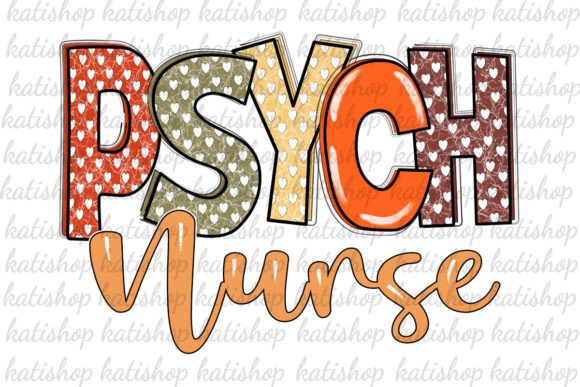
PSYCH Nursing Western Heart Sublimation: A Designer’s Review
As an embroidery designer who spends more time than I care to admit staring at stitch lines and fabric swatches, I approach every new design file with a mix of curiosity and skepticism. The market is flooded with graphics that look beautiful on a screen but fall apart under the needle. That is exactly why I took PSYCH Nursing Western Heart Sublimation for a test run. I didn’t just want to know if it worked; I wanted to know how it performs in the real world—on actual garments, in customer hands, and within a small business workflow.
This review breaks down my experience using this graphic as a foundation for a custom apparel project. We will look at its visual personality, its technical suitability for various crafting scenarios, and where it truly shines versus where it might cause headaches for your machine or your customers.
First Impressions: Mood and Visual Personality
The moment you open the file, the theme is unmistakable. It blends the rugged, nostalgic aesthetic of Western wear with the compassionate, caring symbolism of nursing and healthcare. The heart shape acts as the anchor, while the "psych" element suggests mental health awareness or psychiatric nursing, giving the design a specific, targeted audience appeal.
From a design perspective, the layout feels balanced. It isn’t cluttered. For a handmade product, simplicity is often the key to longevity. This design doesn’t try to do too much at once. It creates a mood that is both tough and tender—a vibe that resonates deeply with nurses who deal with high-stress environments daily. When I first viewed the PNG, I immediately thought about how this would translate to a heavy cotton canvas tote bag or a soft fleece sweatshirt. The contrast potential is high, which is a green flag for any embroidery file reviewer.
Real-World Application: Where This Design Fits Best
I evaluated PSYCH Nursing Western Heart Sublimation across several common use cases to see where it adds the most value. Here is how it performed in practical scenarios:
- Custom Apparel and Sweatshirts: This is the strongest candidate category. The Western motif pairs perfectly with denim jackets, flannel shirts, or neutral-toned hoodies. Imagine a cream-colored crewneck sweatshirt with this design centered on the chest. It reads as professional yet personal. For sweatshirt embroidery, the heart shape allows for nice fill stitches that feel substantial against the fabric texture.
- Tote Bags and Market Totes: Nurses are always carrying supplies. A sturdy canvas tote featuring this design makes for an excellent tote bag design. The graphic holds up well on flat surfaces, and the Western border elements can frame the bag nicely without overwhelming the main subject.
- Personalized Gifts and Holiday Items: This design has strong gifting potential. Whether it is a Christmas gift for a nurse colleague or a "just because" token of appreciation, the combination of profession and emotion hits the right notes. It works beautifully as a holiday embroidery piece when paired with seasonal colors like red and green thread accents.
- Boutique Merchandise and Etsy Listings: For the Etsy seller or small shop product owner, niche-specific designs sell better than generic ones. This targets a specific demographic (psychiatric nurses) rather than general nurses, which can increase conversion rates. It looks great in printable mockup presentations because the clean lines reproduce well in digital previews.
Technical Considerations for Embroidery Projects
While the graphic is visually appealing, translating a 300 DPI PNG into a physical machine embroidery design requires careful planning. Here are the critical factors to consider before you start stitching.
Stitch Density and Detail Level
The success of any embroidery project hinges on stitch density. If the original graphic contains fine lines or tiny text, these must be converted into appropriate stitch types. You will likely need a mix of satin stitch for outlines and borders, and fill stitch for the solid areas of the heart. Be wary of overly dense areas that might cause puckering, especially on lighter fabrics. Conversely, if the design is too sparse, it may lack the visual weight needed to stand out on a garment.
Check the small details carefully. Does the "Western" aspect include intricate lacing or rope textures? These can get lost if the hoop size is too large relative to the design area. Always inspect small details by zooming in on your digitizing software before committing to a production run.
Fabric and Stabilizer Choices
The choice of fabric dramatically affects the final look. On a smooth, tightly woven cotton, the design will appear crisp. However, on a textured fabric like a boucle knit or a rough burlap, the edges may blur. I recommend testing on scrap fabric first to see how the thread colors interact with the base material.
For stretchy fabrics like jersey knits used in t-shirts or baby clothes, a cut-away stabilizer is non-negotiable to prevent distortion. For structured items like caps or hats, a foam stabilizer can help maintain the shape of the heart. Remember, the wrong stabilizer choice can turn a beautiful design into a warped mess.
Thread Color Contrast
Since this is a sublimation-style graphic originally intended for printing, the color palette needs to be adapted for thread. Thread has less opacity than ink. If you plan to embroider this on dark fabric, ensure your background or outline threads provide enough contrast. A black heart on a black shirt will disappear unless you use a metallic or bright contrasting thread for the border. Test your thread colors against your chosen fabric under natural lighting to avoid surprises.
Where to Use With Caution
Not every surface is created equal. While PSYCH Nursing Western Heart Sublimation is versatile, there are situations where it requires extra care:
- Small Hoop Sizes: If you are trying to fit this design into a very small hoop (like those used for socks or tiny accessories), the Western details may become indistinguishable. Stick to medium to large hoops for best results.
- Curved Surfaces: Embroidering on the curved front of a cap can distort straight lines. Ensure your digitizing software accounts for the curve, or consider placing the design on a flat patch that is later sewn onto the cap.
- Thin or Delicate Fabrics: Avoid using this on thin silks or sheer materials without a heavy-duty backing, as the tension required for the fill stitches could tear the fabric.
- Dense Stitch Areas: If the design includes large blocks of solid color, check the stitch direction. Parallel stitches in the same direction can create ridges that catch on clothing. Angling the stitches can improve the hand-feel of the finished product.
Final Verdict: Is It Worth Adding to Your Library?
Overall, PSYCH Nursing Western Heart Sublimation is a strong contender for designers looking to expand their healthcare-themed offerings. It strikes a balance between professional identity and personal expression, making it highly marketable. The Western aesthetic adds a unique twist that separates it from standard medical crosses or stethoscope motifs.
For the craft business owner, this design offers versatility across multiple product categories—from custom apparel to personalized gifts. The key to success lies in proper execution: choosing the right fabric, using adequate stabilizer, and ensuring your stitch settings match the design’s complexity.
Before selling finished items, always confirm the licensing terms associated with the file. While the description mentions watermarks are removed upon purchase, commercial rights vary. Ensure you have permission to sell embroidered goods made from this design to protect your brand consistency and legal standing.
If you are ready to add a touch of rugged compassion to your collection, this design delivers. It is practical, visually engaging, and perfectly suited for the modern maker who values both aesthetics and functionality. Just remember to test, test, and test again before you send your next order out the door.