Howdy Christmas Tee Tree Cowboy Hat PNG Review
As a designer who spends more time staring at stitch density charts and fabric swatches than sleeping, I approach every new digital asset with a healthy dose of skepticism. The market is flooded with clip art that looks great on a screen but falls apart under the needle. That is why when I encountered the Howdy Christmas Tee Tree Cowboy Hat PNG, I didn’t just look at the preview image; I mentally mapped out how this design would translate from a flat digital file into a tangible, wearable piece of art. This review breaks down the practical realities of using this machine embroidery design for real-world projects, specifically targeting those of you running small shops, selling on Etsy, or crafting personalized gifts.
First Impressions: Mood and Visual Personality
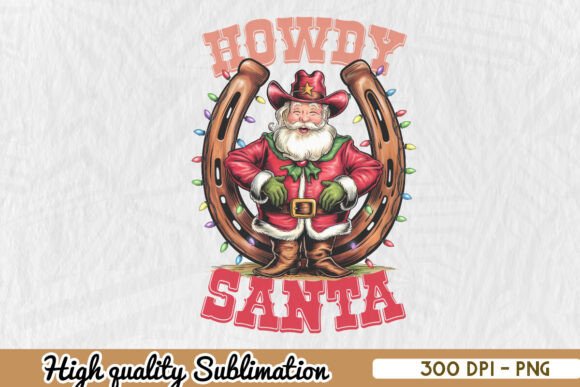
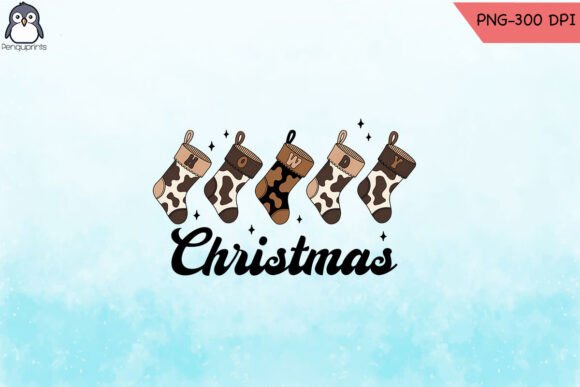
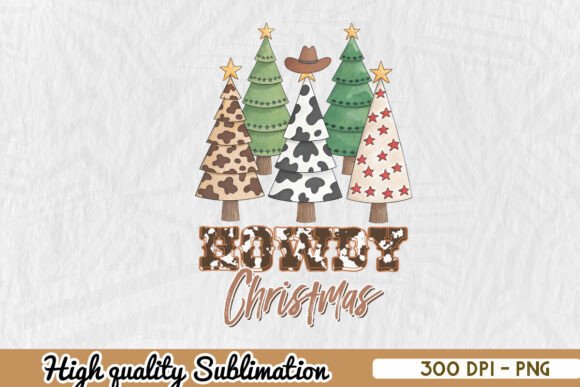
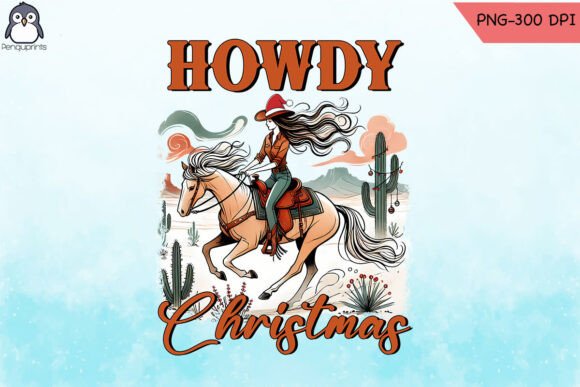
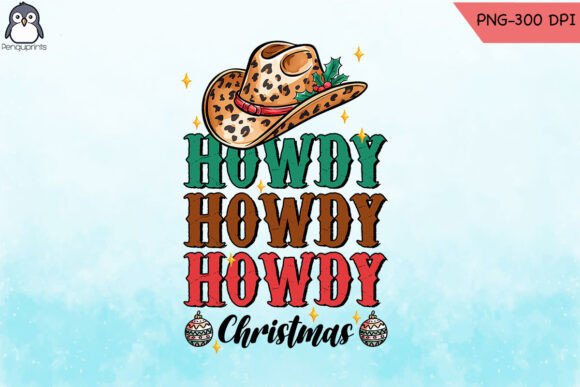
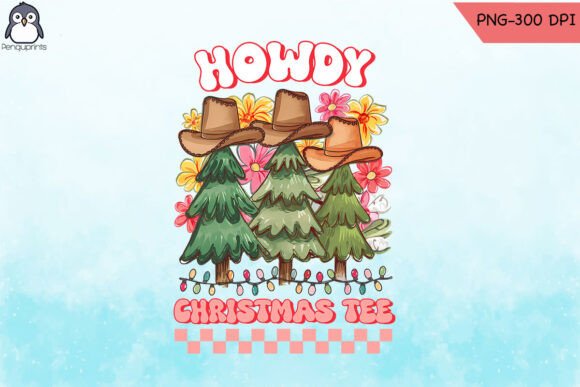
The immediate appeal of the Howdy Christmas Tee Tree Cowboy Hat PNG lies in its thematic blend. It captures that specific "Western Holiday" vibe that has become incredibly popular in boutique retail. The juxtaposition of traditional Christmas imagery with cowboy aesthetics creates a nostalgic yet fresh mood. Visually, the layout suggests a strong focal point, likely centered around the hat and tree elements, which provides a solid foundation for an embroidery project.
From a design perspective, the composition feels balanced. It isn’t cluttered with excessive details that might get lost during the stitching process. Instead, it relies on clear shapes and recognizable silhouettes. This clarity is crucial for any digital embroidery file intended for commercial use. When a customer buys a handmade product, they are buying into a story. This design tells a story of rustic charm and festive cheer, making it highly suitable for holiday-themed merchandise.
Real-World Application: Where Does This Design Shine?
In my experience, the success of an embroidery file often depends on the substrate it is placed upon. The Howdy Christmas Tee Tree Cowboy Hat PNG seems particularly well-suited for custom apparel and home decor items that benefit from a cozy, handmade aesthetic. Let’s look at a few scenarios where this design would perform exceptionally well.
- Sweatshirt Embroidery: Heavy cotton fleece or terry cloth provides a stable base for most designs. Placing this western-themed graphic on the chest of a crewneck sweatshirt creates an instant bestseller for fall and winter seasons. The texture of the fabric complements the rustic theme perfectly.
- Tote Bag Design: Canvas totes are a staple for craft fairs and Etsy sellers. A tote bag design featuring this motif allows for versatility. You can use contrasting thread colors to make the cowboy hat pop against natural canvas or dark denim. It serves as both a functional item and a promotional tool for your brand.
- Baby Embroidery: Personalized baby onesies or burp cloths are high-demand items. This design, if scaled appropriately, offers a cute and unique alternative to standard Santa or reindeer motifs. Parents looking for distinctive personalized gift options will appreciate the novelty.
- Embroidered Patch: If the design allows for clean edges, it could be stitched as a standalone patch. These can be sewn onto jean jackets, backpacks, or caps, extending the life of the garment while adding a touch of personality.
Technical Considerations and Stitching Challenges
While the visual appeal is strong, no designer ignores the technical aspects. The way a design stitches out determines whether a customer keeps the item or returns it. Here are critical factors to consider when digitizing or preparing the Howdy Christmas Tee Tree Cowboy Hat PNG.
Stitch Density and Detail Level: If the original artwork contains fine lines or intricate patterns within the cowboy hat brim or the tree branches, these areas require careful attention. High stitch density can cause puckering, especially on lighter fabrics. Conversely, low density might result in visible fabric showing through. I recommend inspecting the vector layers or high-resolution source files to ensure that small details are not too delicate for standard machine embroidery. If the design relies heavily on satin stitch for outlines, ensure the pathing is smooth to prevent thread breaks.
Fabric Texture and Stability: The choice of fabric plays a massive role in the final outcome. Textured fabrics like wool or heavy tweed can obscure fine details. For the best results, stick to smooth-to-medium textures such as cotton blends, jersey knits, or denim. Always use the appropriate stabilizer. For knit fabrics like t-shirts, a cut-away stabilizer is essential to maintain shape after washing. For woven fabrics like tote bags, a tear-away or wash-away stabilizer may suffice, depending on the hoop size.
Hoop Size Constraints: Before committing to production, confirm the required hoop size. If the design exceeds your machine’s maximum hoop dimensions, you will need to re-digitize it or split the design, which can introduce visible seams. Ensure the design fits comfortably within your standard 4x4, 5x7, or 6x10 inch hoops without awkward cropping.
Strategic Placement and Product Value
Placement affects not just the look, but the perceived value of the finished product. Center-chest placement is classic and safe, offering broad appeal. However, for a more modern, boutique feel, consider off-center placements or smaller, stacked arrangements on the sleeve or back yoke of a shirt. This approach can differentiate your Etsy seller listings from competitors who offer generic center prints.
When creating printable mockup images for your online store, lighting is key. Show the design on both light and dark backgrounds to demonstrate contrast. Use black and white mockups to check if the design retains its integrity without color distraction. This helps buyers visualize the finished product accurately, reducing return rates due to mismatched expectations.
Practical Designer Notes for Success
To ensure the Howdy Christmas Tee Tree Cowboy Hat PNG performs flawlessly in your workshop, follow these practical steps:
- Test on Scrap Fabric: Never run a full production run without testing first. Stitch the design on a scrap piece of the actual fabric you plan to sell. Check for puckering, thread tension issues, and color accuracy.
- Review Thread Colors: Select thread colors that complement the design’s mood. For a cowboy hat, earth tones like tan, brown, or navy work well. For the Christmas tree, traditional greens or even unconventional pops of red or gold can add flair. Ensure there is sufficient contrast between adjacent colors.
- Inspect Small Details: Zoom in on the digital file before stitching. Look for tiny elements that might get tangled or lost. If necessary, simplify these details during the digitizing phase.
- Check Licensing: As a professional, protecting your business is paramount. Verify the licensing terms of the Howdy Christmas Tee Tree Cowboy Hat PNG. Confirm whether you have commercial rights to sell finished items made with this design. Some licenses restrict the number of units you can sell or prohibit resale altogether.
- Wash Testing: After stitching, wash and dry the sample according to care instructions. This tests the durability of the stitches and the stability of the fabric. A shoddy handmade product damages your reputation quickly.
Final Verdict
The Howdy Christmas Tee Tree Cowboy Hat PNG is a versatile and charming addition to any designer’s library. Its thematic relevance and clear visual structure make it ideal for holiday embroidery projects ranging from custom apparel to kitchen towels. By paying attention to stitch density, fabric choice, and proper stabilization, you can transform this digital asset into a high-quality commercial embroidery product that customers will love. Whether you are an experienced craft business owner or a hobbyist maker, this design offers a reliable path to creating memorable, festive goods. Just remember to test thoroughly and respect licensing agreements to keep your creative enterprise thriving.