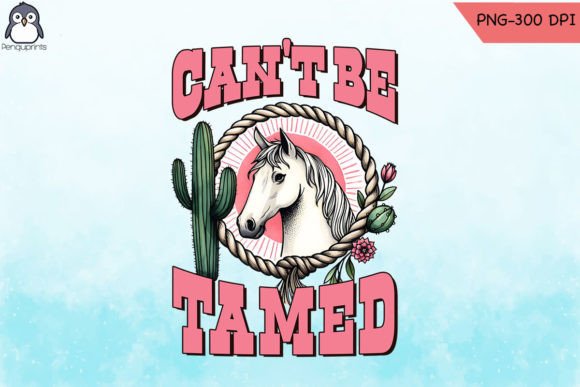
Can t Be Tamed Western Cowboy PNG
When I sit down to evaluate a new digital asset for my embroidery studio, I am rarely looking at just a pretty picture. I am looking at a blueprint for a physical object that will eventually hang in someone’s closet or be carried on their shoulder. As a designer who reviews hundreds of files monthly, my job is to separate the visually appealing from the practically viable. Today, I am putting Can t Be Tamed Western Cowboy PNG through its paces to see if it holds up under the needle, or if it belongs in the "maybe later" folder.
The initial impression of this design is striking. It carries a bold, rebellious energy that fits perfectly into the current trend of rugged, Americana-inspired aesthetics. The phrase itself suggests confidence and independence, which translates well into visual form. For an embroidery project to succeed, the typography and any accompanying graphics must have strong legibility. From what I can see in the preview, the lettering has enough weight to survive the stitching process without becoming muddy or indistinct. This is crucial because nothing kills the perceived value of a handmade product faster than illegible text.
I imagine this design finding its home most naturally on custom apparel. Specifically, I see this as a prime candidate for a heavyweight cotton sweatshirt or a structured canvas tote bag. The western theme pairs effortlessly with denim, chambray, or even olive green fabrics. If you are an Etsy seller or running a craft business, this file could serve as a cornerstone for a seasonal collection, particularly around holidays like the Fourth of July, Mother’s Day (for the mom who prefers boots to heels), or Christmas gift-giving. The mood is versatile enough to appeal to both men and women, broadening your potential customer base.
Real-World Application and Stitch Behavior
Let’s talk about how Can t Be Tamed Western Cowboy PNG behaves when it moves from screen to fabric. In my experience, designs with sharp angles and high contrast tend to stitch cleanly, provided the density is managed correctly. This file appears to rely heavily on clean lines and bold shapes. When digitized properly, these elements should translate well into satin stitches for the outlines and fill stitches for the solid areas.
However, not all embroidery surfaces are created equal. I would strongly advise against placing this design on thin, stretchy knits unless you are using a heavy-duty stabilizer. The tension required to keep the threads tight might pucker delicate jersey or rayon blends. Instead, look toward stable woven fabrics. A thick apron, a durable kitchen towel, or a sturdy pillow cover would showcase the design’s crispness without fighting the fabric’s natural drape. For personalized gifts, consider a baby onesie made of interlock knit, but ensure the hoop size allows for a flat stitching area to avoid distortion.
One specific use case that stands out is the creation of an embroidered patch. The western motif lends itself beautifully to a circular or shield-shaped patch that could be sewn onto a denim jacket or a backpack. In this context, the design becomes a badge of identity, which adds significant emotional value for the recipient. Customers love items that feel unique and tailored to their personality, and a bold statement piece like this delivers exactly that.
Where Caution Is Required
While the design has strong potential, there are specific scenarios where Can t Be Tamed Western Cowboy PNG might struggle. Small hoop sizes are the enemy of detail. If you attempt to stitch this design smaller than two inches in height, you risk losing the nuance of the lettering and any decorative elements. Tiny details often get lost in the thread pile, resulting in a blobby appearance rather than a sharp graphic. Always test at the smallest intended size before committing to production runs.
Fabric texture also plays a major role. On highly textured fabrics like bouclé or heavy tweed, the underlying structure of the design may be obscured. The eye needs a relatively smooth surface to appreciate the contrast between the thread and the cloth. Additionally, dark fabrics require careful consideration of thread colors. If the design includes white or light pastel elements, you will need a dense underlay or a high-quality white thread to prevent show-through. Conversely, on light fabrics, dark threads provide excellent contrast, making the design pop.
Another area to watch is curved surfaces like caps. While possible, embroidering a large, rectangular-style layout on a curved brim or crown requires advanced hooping techniques and possibly a multi-head machine to maintain registration. For single-needle hobbyists, sticking to flat projects like tote bags, aprons, and wall art is safer and yields more professional results.
Practical Designer Notes for Execution
Before you load this file into your machine, there are several technical checks I recommend performing. First, always review the stitch density. If the design is too dense, it will become stiff and uncomfortable to wear. If it is too sparse, the fabric may show through the threads. Adjusting the density slightly during the editing phase can make a huge difference in the final hand-feel of the garment.
Test the design on scrap fabric first. This is non-negotiable. You need to verify that the thread colors you have chosen complement the fabric shade. Sometimes a color looks perfect on a monitor but washes out completely on actual material. Running a black-and-white mockup can help you assess the contrast levels independently of color bias.
Consider the type of stabilizer needed. For woven fabrics, a tear-away stabilizer is usually sufficient. For knits or stretchy materials, a cut-away stabilizer provides the necessary long-term support to prevent the design from distorting after washing. Also, inspect the design for any overly fine lines or tiny gaps that might cause thread breaks or tangling. If the original file contains very small text, consider simplifying it during the digitizing process to ensure durability.
Final Verdict on Visual Appeal and Market Fit
Ultimately, Can t Be Tamed Western Cowboy PNG is a strong asset for designers looking to add edge and personality to their catalog. It avoids being overly childish or generic, striking a balance that appeals to adults who appreciate craftsmanship. The visual appeal lies in its clarity and thematic consistency. It feels authentic to the western genre without relying on clichéd clip-art tropes, which elevates the professionalism of the finished item.
For commercial embroidery purposes, this design offers good versatility. It works as a standalone statement or as part of a larger set featuring complementary western motifs. Buyers are increasingly drawn to products that tell a story, and a design with such a clear attitude does exactly that. It signals quality and intentionality, which builds trust with customers who are willing to pay a premium for custom apparel.
In conclusion, this is a reliable, stylish choice for your next batch of handmade goods. Just remember to respect the limitations of fabric and hoop size, and always prioritize proper stabilization. When executed correctly, Can t Be Tamed Western Cowboy PNG will not only look great but will also hold up to the wear and tear of daily life, ensuring your customers remain satisfied long after the purchase.